
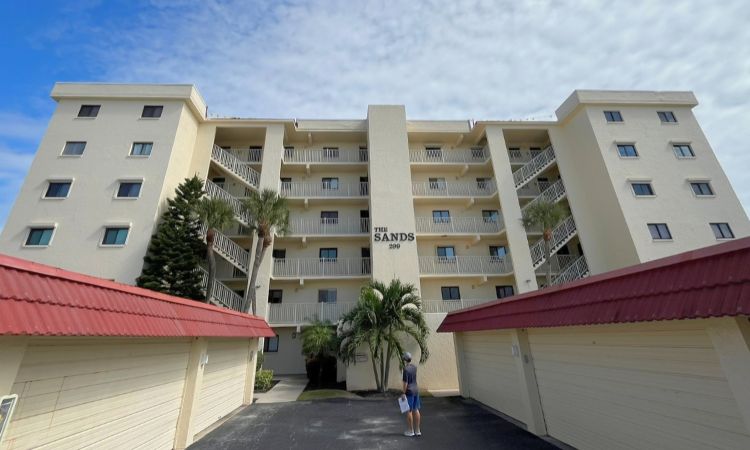
For Florida condominium and community associations, building restoration projects require careful planning long before construction begins. From evaluating existing conditions and determining repair priorities to developing a scope of work and selecting a contractor, there are many steps that can influence a project’s schedule and success.
The winter months can be an ideal time to begin that process. While Florida may not experience the harsh winters seen in other parts of the country, the cooler months provide an opportunity for associations to evaluate their properties, address maintenance concerns, and begin preparing for future restoration work.
Start With an Evaluation of Current Conditions
Before planning a restoration project, it is important to understand the building’s current condition. An engineering evaluation can help identify areas of deterioration and determine where additional investigation or repairs may be appropriate.
Depending on the property, an evaluation may include exterior walls, balconies, walkways, concrete structural components, waterproofing systems, roofing, railings, and other building elements.
Signs such as concrete cracking or spalling, rust staining, deteriorated sealants, water intrusion, or visible corrosion may indicate areas that warrant further evaluation. Identifying these conditions early gives the association more time to understand the extent of potential repairs and consider the next steps.
Develop a Clear Scope of Work
Once conditions have been evaluated, the next step is determining what the restoration project should include.
A well-developed scope of work helps define the repairs, materials, procedures, and project requirements before contractors begin preparing proposals. Depending on the project, engineers may also prepare drawings, specifications, repair details, and other construction documents.
Taking the time to develop a detailed scope can help contractors bid on comparable work and give the association a clearer understanding of what the project may involve.
Establish a Preliminary Budget
Budgeting is often one of the biggest considerations for condominium associations preparing for restoration work.
Beginning the planning process during the winter gives boards time to review anticipated repairs, consider available funding, and discuss how the project fits into the community’s broader maintenance and capital improvement plans.
For larger restoration projects, work may also be divided into phases based on repair priorities, building locations, available funding, or logistical considerations. Early planning allows the association and its engineering team to explore these options before construction begins.
Allow Time for the Bidding Process
Selecting a contractor involves more than simply comparing prices.
Once construction documents are prepared, qualified contractors can be invited to submit bids. Those proposals can then be reviewed for factors such as the proposed scope, pricing, schedule, qualifications, and exclusions or clarifications.
An engineer can assist the association in reviewing bids and identifying differences between proposals so the board has useful information when making its contractor selection.
Starting this process early can provide additional time for questions, bid clarifications, interviews, and contract discussions without unnecessarily rushing the decision.
Prepare for Construction Before Work Begins
A successful restoration project also requires planning for how construction will affect the property and its residents.
Contractor access, staging areas, resident notifications, balcony or walkway closures, material storage, parking impacts, and other logistics may need to be considered depending on the scope of work.
For occupied condominium communities, these details can become especially important. Addressing them before mobilization can help establish expectations and improve communication among the association, engineer, contractor, property management team, and residents.
Get Ahead of the Spring and Summer Months
Beginning the planning process during winter does not necessarily mean construction needs to start immediately. Instead, it provides valuable time to complete the steps that need to happen before work can begin.
By evaluating conditions, developing construction documents, establishing budgets, obtaining bids, and coordinating project logistics during the cooler months, an association can be better prepared to move forward when the timing is right.
Florida’s weather can still create scheduling challenges throughout the year, particularly for exterior work. Planning ahead gives the project team more flexibility to account for weather, material availability, permitting, resident coordination, and other factors that may affect the schedule.
Make Winter the Start of Your Next Project
Major building restoration doesn’t begin when the contractor arrives on site. It starts with careful evaluation and planning.
Using the winter months to understand your property’s needs and prepare for future work can give your association more time to make informed decisions, establish realistic expectations, and develop a clear path toward construction.
Planning a restoration project for your condominium or community? Keystone Engineering can help guide your association from initial evaluation and project planning through bidding, construction oversight, and project closeout. Contact our team to discuss your property’s restoration needs.
📞 321-454-7300
🌐 www.keystoneengineeringpe.com